
“This is not goodbye. This is just a letter before I go on vacation. We’ll meet again.”
— Akin’s grandmother, Top Form, Episode 10
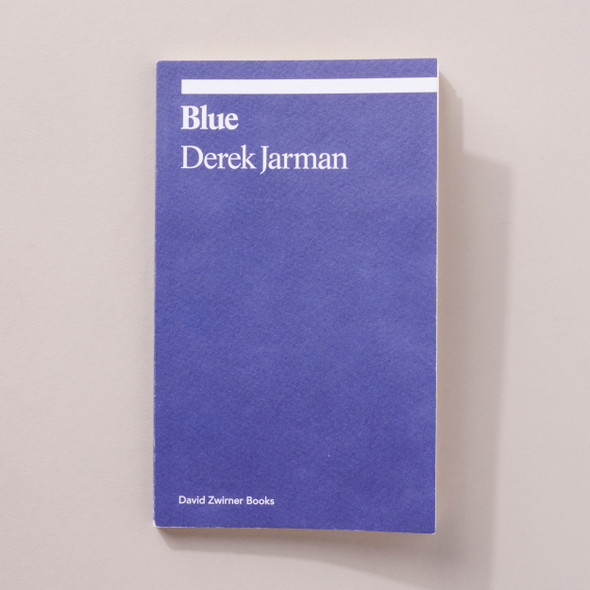
In Episode 10 of the Thai BL drama Top Form, viewers were quietly introduced to a profound visual motif: a book titled Blue, with a flower resting atop its cover. First seen in the hands of Akin’s grandmother and later placed on Akin’s bookshelf after her death, this book became a symbol of mourning, memory, and love that transcends time. But this is no random prop — Blue is a real work by legendary queer filmmaker Derek Jarman.
Originally released as a film in 1993 — the year before Jarman passed away from AIDS-related complications — Blue was a radical cinematic act. It offered no images, only a single shade of saturated blue accompanied by narration and sound. Later, the monologue was also published in book form (Blue, ISBN 9781644230886), becoming a defiant act of artistic resistance against the silence and erasure surrounding the AIDS crisis.
In Top Form, the inclusion of Blue offers more than a reference — it becomes a language of emotional survival.
🌀 Blue as a Bridge Between Life and Death
The presence of Blue in Akin’s story isn’t simply symbolic—it’s deeply thematic. In the show, his grandmother’s passing is wrapped not in fear, but in gentleness. Her letter to Akin, written just before her death, speaks not of endings but of continuity: “We’ll meet again.”
This reflects Jarman’s own approach to mortality in Blue. Facing blindness and death, he wrote not only about pain, but about presence—how love continues, even in absence. In this sense, Top Form echoes Jarman’s poetic resistance against cultural silence. Death isn’t just loss—it’s also connection. Grief, in both works, becomes a language of memory.
🌸 Flowers, Tears, and the Soul of Akin’s Grief
Later in Top Form, Akin creates a play titled “Flowers and Tears” to honour his grandmother. The title alone weaves together Jarman’s visual symbolism and Akin’s emotional arc.
- The flower on the cover of Blue is not just a tribute, but a symbol of beauty, impermanence, and love.
- The tears Akin sheds are not only sorrowful, but healing. They are how he carries her memory forward.
In this way, Flowers and Tears becomes a theatrical expression of grief — not as finality, but as poetry. Through this performance, Akin finds meaning in mourning. And through the flower, he continues to speak with the one who once held him together.
His grandmother was his “rock.” Whether alive or gone, her love remains a compass.
Just like Blue, she offers a way to keep feeling, even when there’s no more voice.
💔 Blue, Grief, and Queer Memory
Derek Jarman created Blue during a time when AIDS took so many voices — yet he chose to speak, in blue, for those silenced. Top Form honors this by centering a queer, Southeast Asian narrative of grief not as shame, but as softness. And by placing Blue in the hands of a grandmother, the show beautifully reimagines queer memory as something generational.
Love does not vanish in death. In Akin’s tears, and in the petals left behind, love becomes something eternal.
📘 References:
- Blue (1993) by Derek Jarman [Film & Book]
- Top Form Episode 10 – Watch: YouTube Link
- Blue (Book): ISBN 9781644230886





 beeloveentertainment.com
Leave a comment