
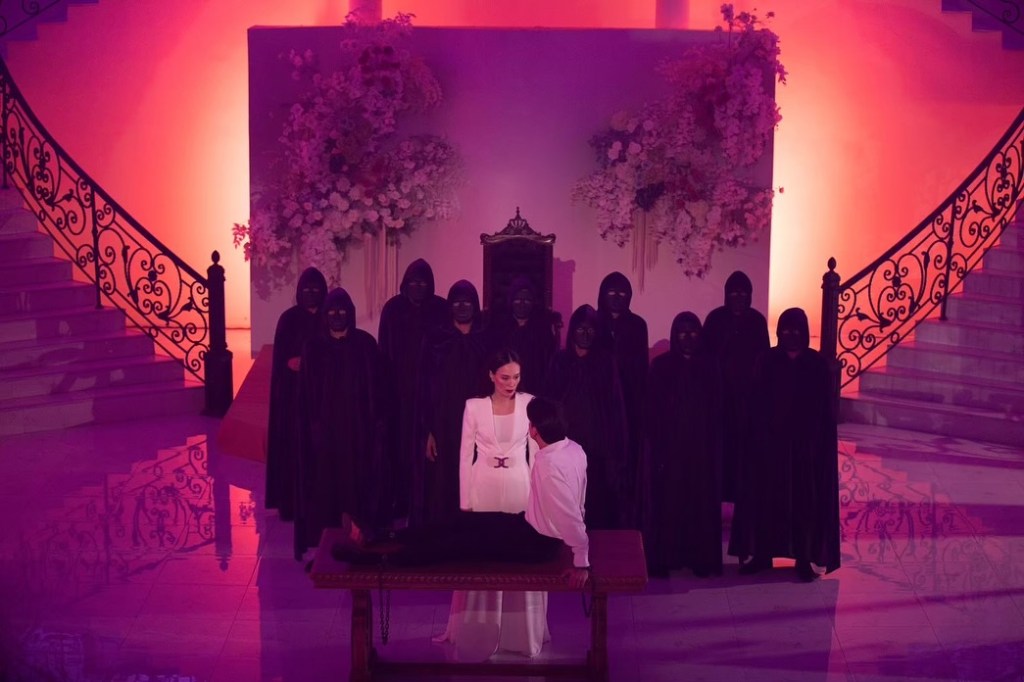
Bee Love Entertainment|Gender & Symbolism Analysis
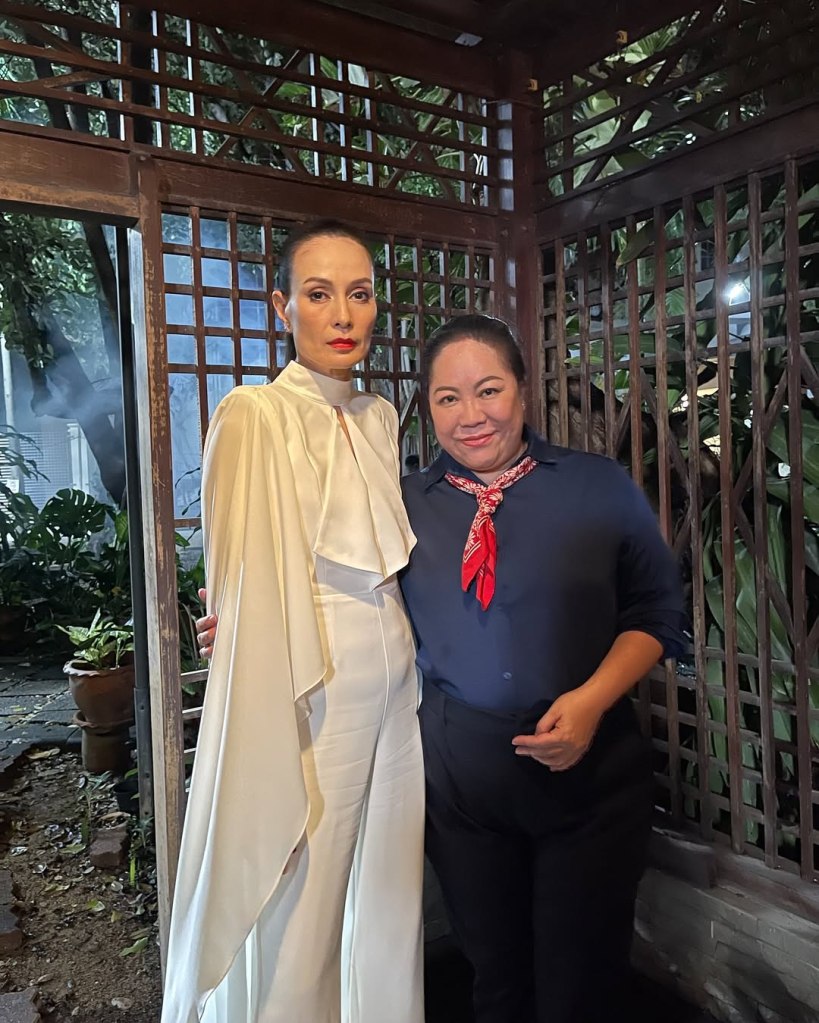
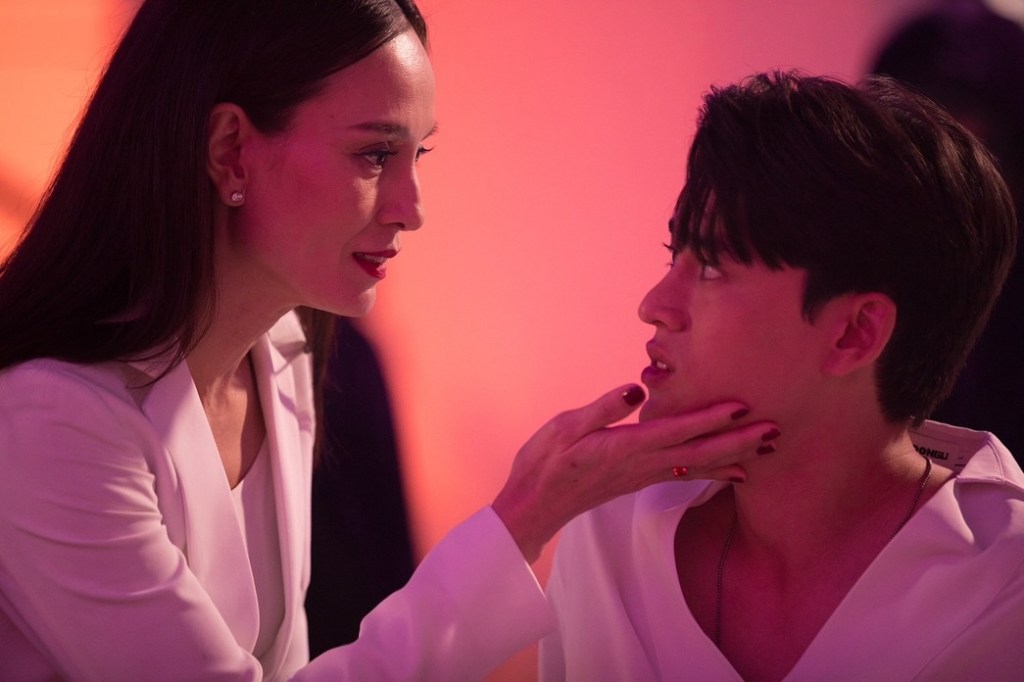


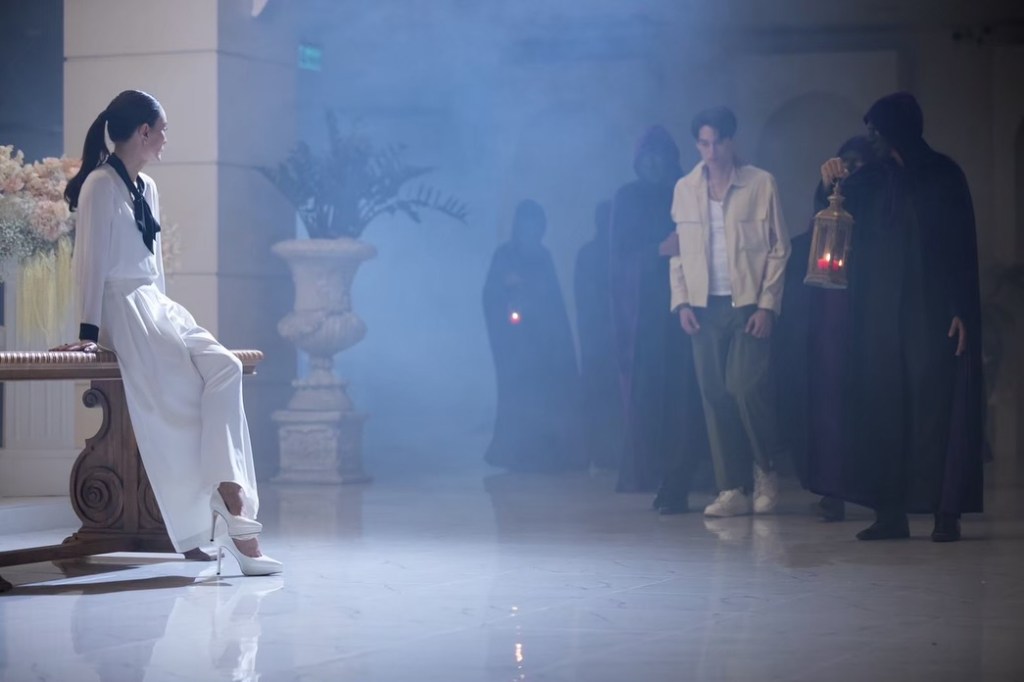
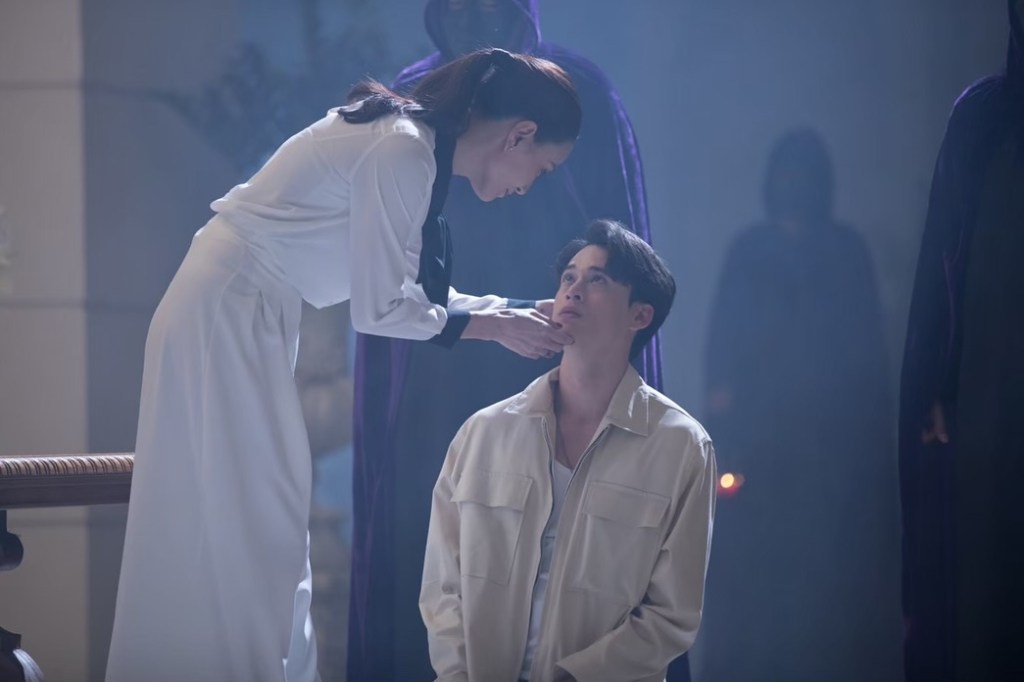

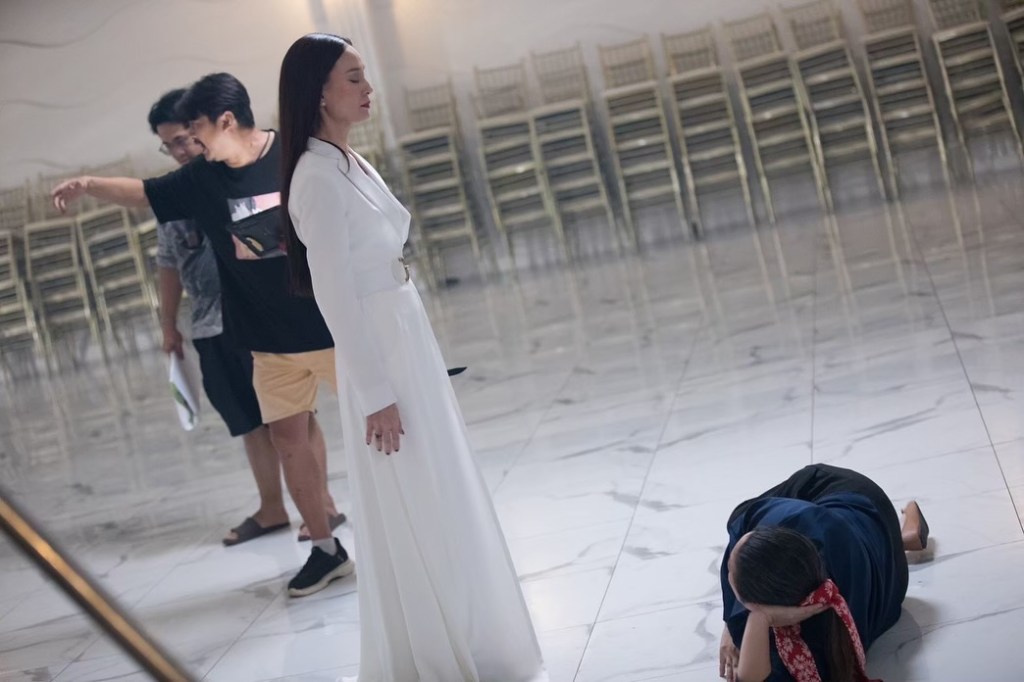



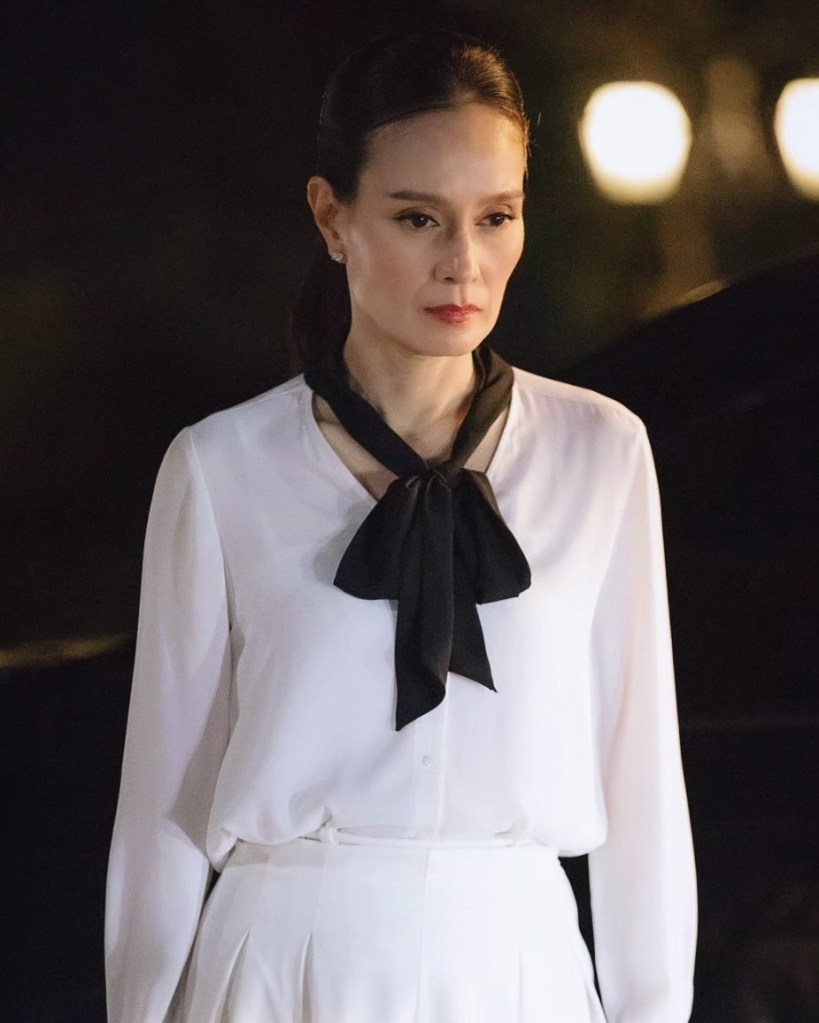




In My Golden Blood, we meet a rare figure in BL dramas:
A powerful, commanding, central female character.
Thara Amarittrakul is the only female vampire in the entire series—and the most feared.
She’s wealthy. Strategic. Surrounded by male followers.
And she wants control over golden blood, the sacred lifeforce that can unite or destroy all vampires.
But the story doesn’t let her keep that power.
It ends with her downfall, her death, and her legacy erased.
We’ve seen this story before.
🩸 Elizabeth Báthory: The Woman Who Became the First Vampire
In 17th-century Europe, Elizabeth Báthory was one of the most powerful noblewomen in Hungary. After her husband’s death, she managed vast estates on her own.
She was intelligent. Educated. Fierce.
And for that, she was accused of a horrific myth:
That she bathed in the blood of virgins to stay young.
She was arrested by the Palatine of Hungary, her lands seized, her name defamed.
There was no trial. No solid evidence.
Just a woman who had too much power in a world built for men.
Her story became the foundation for modern vampire mythology:
- A seductive woman who drains life to stay youthful
- Associated with blood, sexuality, and fear
- A figure whose power must be destroyed, not understood
Sound familiar?
🧛♀️ From Elizabeth to Thara: The Fear of Female Power
Thara in My Golden Blood mirrors Báthory in uncanny ways:
- She is the only female among male vampires
- She desires golden blood, a symbol of purity and ultimate power
- She manipulates, strategizes, and believes she can reshape the vampire world
For this, she is:
- Deemed the final villain
- Lied to by her own kin
- Killed for seeking control
Even her final words—that golden blood could unite the vampires—are cast aside as delusion.
Her ambition is rebranded as madness.
Her greatest sin is not violence.
It’s wanting power in a story that only permits men to wield it.
🌸 The Women Who Survive Must Stay Small
Not all women in My Golden Blood die.
But the ones who live do so only by staying in the background:
- Aunty Wan, the florist who secretly weakens Thara, but never takes the lead
- Tong and Tonkla’s teacher, nurturing, maternal, quiet
- Navin, a new golden-blooded youth, portrayed by 15-year-old actress Singha Luangsuntorn—styled androgynously, vulnerable, never threatening
These women are safe because they never seek control.
They support power, but don’t claim it.
💡 The Real Curse Was Never the Blood
Golden blood is framed as a divine gift—when held by the right (male) hands.
But when Thara tries to claim it, to use it for unity, she becomes monstrous.
The curse isn’t golden blood.
The curse is a woman who dares to master it.
This is the same story we’ve told for centuries:
- A woman who leads without needing a man must be destroyed.
- She is written as a witch, a monster, a bloody countess, a villain.
Even in BL—where love transcends gender—patriarchy still writes women out.
My Golden Blood is beautiful, emotional, and full of queer tenderness.
But beneath the love story is a chilling truth:
In the world of sacred blood,
a woman can be a mother…
or a monster.
But never a god.
Was Thara truly evil?
Or just another powerful woman rewritten as a threat?






 beeloveentertainment.com
Leave a comment